
WORLD BEE DAY: WHY POLLINATORS MATTER MORE THAN EVER

World Bee Day, marked each year on 20th May, is a reminder of how closely our wellbeing is connected to pollinators, and how much pressure they’re now under.
At Just Bee, that connection is personal. Founded in 2015 by Joe, whose dad and grandad were beekeepers, the brand grew from a deep understanding of the challenges bees face. The first products were even made using honey from Joe’s dad’s hives, shaping a mission to help protect bees and the role they play in supporting both people and planet.
Because bees are about far more than one ingredient. Around 75% of the world’s leading food crops depend, at least in part, on pollination. Everyday foods like apples, berries and tomatoes rely on bees to grow, quietly supporting not just what we eat, but the balance of entire ecosystems. Albert Einstein once famously said: “If the bees die, humans only have four years left to live”. Whether that’s true or not, it certainly makes the point!
At the same time, the environments that bees depend on have changed. Across the UK, wildflower meadows have declined by around 97% since the 1930s. Hedgerows, green spaces and plant diversity have reduced, meaning fewer reliable sources of nectar and pollen. In simple terms, bees are having to work harder to find food, often travelling further with less reward.
That shift has real consequences. Less consistent forage can affect bee health, resilience and population stability, which in turn impacts the wider system they support.
World Bee Day helps bring this into focus, but it also highlights where action can start to feel more tangible.
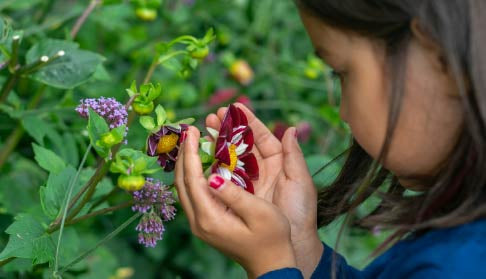
Restoring food sources is one of the most effective ways to support pollinators. That can be as simple as planting wildflower seeds and allowing a mix of nectar rich species to grow across the seasons. Even small spaces, from gardens to balconies, can help create more reliable feeding opportunities.
Movements like No Mow May have also gained momentum for a reason. Leaving lawns to grow, even temporarily, allows natural flowers like clover and dandelions to bloom, providing an immediate and accessible food source for bees early in the season.
If you’re looking to take part, we’ve shared simple guides on how to plant wildflower seeds and create bee friendly spaces in a way that works for you. Visit our “about us” pages for more information.
Watch out this month for more details on our socials and emails for what we are doing for World Bee Day and how you can get involved!
Thank you for joining us on our mission to help Save the Bees

2 comments
We are very lucky in that we have several bee boxes in our garden and they are all in use.
Jane.orourke
I am having difficulty getting about due to a medical condition so I am going to plant bee friendly mixed flowers in pots outside my conservatory back door thus enabling me to watch the bees water and feed. When it is in full bloom I will send you a photo and update. Love your honey.
Gordo McFadyen
Leave a comment
This site is protected by hCaptcha and the hCaptcha Privacy Policy and Terms of Service apply.